
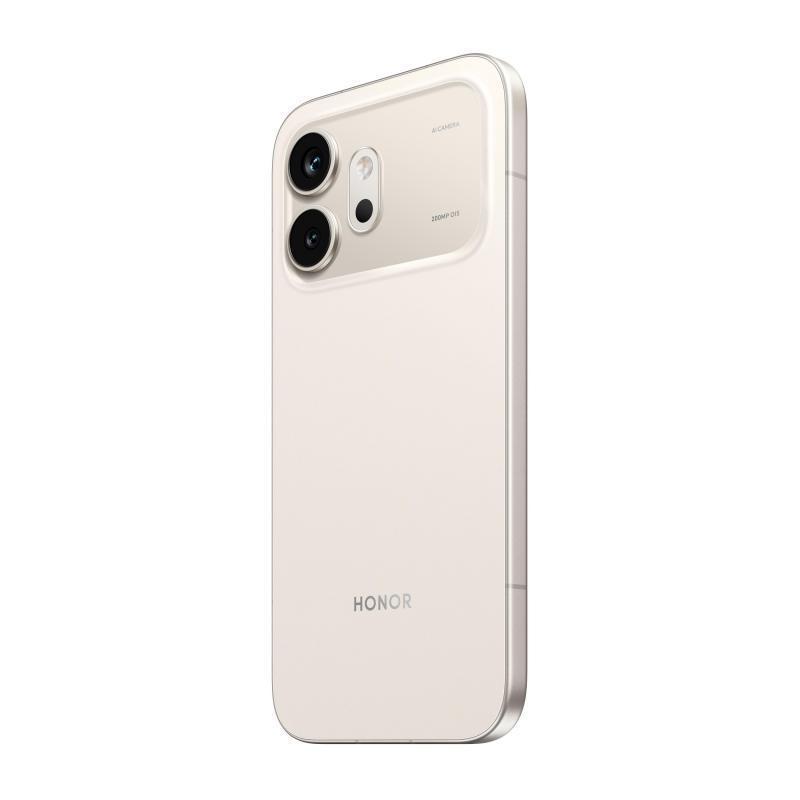
Smartphones change so quickly that last year’s flagship can feel old in just 12 months. Every new launch promises faster speed, better photos, and smarter features that “understand” you. This rapid progress is not random. It comes from a tight race between chip makers, phone brands, software developers, and user demand. Phone makers compete hard in the premium and mid‑range markets. To stand out on Google and social media, brands heavily promote new cameras, AI tricks, and battery gains. Chip companies release new processors every year with more power and better efficiency. At the same time, operating systems like Android rolls out yearly updates packed with fresh features and AI tools.
Rapid Advances in Smartphone Hardware
Faster Processors and AI Chips
The heart of a smartphone is its system‑on‑chip (SoC). Every year, major chip makers launch new SoCs with better CPU and GPU cores and stronger neural processing units (NPUs). These NPUs, or AI engines, handle tasks like image recognition, voice processing, and real‑time effects directly on the device. Modern processors use advanced manufacturing processes to deliver more performance per watt. This keeps phones fast without draining the battery too quickly. Users notice the benefit when switching between many apps, playing heavy games, or editing high‑resolution video. Lag drops, screens stay smooth, and thermal throttling becomes less of a problem.
Improved Sensors and Components
Beyond the main processor, sensors and internal components drive much of the “smart” evolution. Camera sensors keep getting larger, with higher pixel counts and better pixel binning techniques. This allows phones to capture more light, reduce noise, and create sharper images even at night. Optical and electronic image stabilization work together to keep photos and videos steady. Other sensors also see upgrades. Fingerprint readers move under the display or become faster and more accurate. Face unlock systems use better depth sensors and improved algorithms. Ambient light sensors, gyroscopes, accelerometers, and proximity sensors help the phone adjust brightness, rotate the screen, and support precise motion tracking for AR and gaming.
The Role of Software and AI Innovation
Smarter Operating Systems and Updates
Each new version of Android introduces features that make phones feel more intelligent and helpful. OS developers focus heavily on privacy, security, and AI‑backed user experience. This includes better permission controls, more detailed privacy dashboards, and safer app sandboxing. Smartphones now receive longer update support, especially in higher segments. Brands promise several years of OS updates and security patches. These updates bring new features like enhanced lock screen customization, advanced notification controls, and deeper integration with cloud services.
AI Features That Learn User Behavior
AI systems inside smartphones observe how users interact with apps, content, and settings. Over time, the phone builds a personalized profile that shapes its behavior. For example, it may learn which apps you open every morning, which contacts you call often, or when you usually enable silent mode. These insights power smart suggestions. You might see suggested actions like calling a frequent contact, opening your navigation app at commute time, or resuming a playlist. Keyboards predict text based on your writing style. Photo apps surface memories, sort albums by people and places, and allow quick search using natural language.
User Demand Driving Continuous Innovation
Growing Expectations for Performance and Features
Modern users expect flagship‑level performance, even from mid‑range devices. Apps must open instantly. Multitasking should feel smooth. Background processes should not slow down the system. These expectations push brands to adopt powerful chips, ample RAM, and fast storage even in more affordable models. Battery life is another major expectation. People want a full day of heavy use without worry. Quick charging has become standard, and many users now expect fast wireless charging too. The demand for thin and light designs makes this harder, pushing engineers to innovate on battery density and software efficiency.
Influence of Content Creation and Mobile Gaming
Content creators and gamers strongly shape smartphone innovation. Many users now shoot short videos, vlogs, and social clips entirely on their phones, often comparing options like the honor 600 price in dubai when choosing a device that fits their needs. They require high-quality cameras, stable footage, and powerful editing tools, which pushes advancements such as better microphones, enhanced stabilization, and built-in editing apps. Social media trends also guide camera priorities. Features like portrait mode, night mode, cinematic video, and AI beauty effects reflect how people create and share content. Modern smartphones must support quick capture, instant processing, and fast uploads to popular platforms, ensuring a smooth experience for creators on the go.

Conclusion
Smartphones keep getting smarter each year because hardware, software, and user demand all move forward together. Faster processors, advanced AI chips, and better sensors give phones the raw power and awareness they need. On top of that, operating systems and apps use AI to personalize experiences, optimize performance, and automate routine tasks. Users drive this evolution by expecting more from their devices. They want great photos, smooth gaming, long battery life, strong security, and constant connectivity. Content creation and mobile gaming raise the bar even higher, pushing brands to innovate with each release. The result is a fast cycle of yearly improvements. Even if changes look small on paper, the combined effect over a few generations is huge. Phones become more capable, more personal, and more central to daily life. As long as users keep demanding better experiences, smartphones will keep getting smarter year after year.